


 Celebrating
32 Years
32 Years


The Decisions Behind Ballet Casting

The Decisions Behind Ballet Casting: Artistry, Readiness, and Responsibility
By Leslie Jordan, Executive & Artistic Director, North Central Ballet
Each time we begin a new production at North Central Ballet, one of the most complex—and often misunderstood—aspects of the process begins: casting a ballet.
To most audiences, ballet casting decisions seem simple: you assign roles, hand out parts, and the magic happens. But in truth, casting a ballet is a careful balance between artistry, readiness, and responsibility. It’s one of the most important decisions any director makes, and it directly affects the success, safety, and integrity of the entire production.
Casting Is a Long View, Not a Snapshot
When directors make ballet casting decisions, we aren’t evaluating a dancer on one good class or one strong rehearsal—we’re looking at the bigger picture. We consider consistency, control, musicality, artistry, stamina, focus, and reliability. We think about how each dancer fits within the choreography, how they function in an ensemble, and whether the role supports their development at this stage of training.
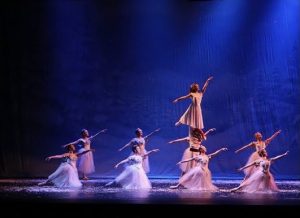
A dancer might have beautiful lines but not yet the endurance to sustain them through a demanding piece like Snow. Another might have strong pointe technique but still be developing the control needed for partnering. Casting reflects readiness.

Safety Is Not Negotiable
Especially in pointe work, readiness isn’t subjective—it’s physical reality. Pointe safety requires years of conditioning, balance, and core control. Assigning a dancer to a pointe role before they have that foundation can lead to injury and a loss of confidence.
For that reason, some dancers are assigned swing positions—opportunities to learn choreography, observe advanced peers, and step into roles when they are ready. This approach keeps ballet casting fair, safe, and developmental.

Artistic Integrity Comes First
Unlike a recital, a ballet that is presented to the public and a paying audience must be maintained at a professional standard. It is a unified work of art, not a collection of individual moments. The choreography tells a story, the ensemble moves as one, and the director’s job is to protect that vision while upholding both artistic and technical integrity.
Casting cannot be based on fairness or emotion. It’s about honoring the music, the choreography, and the discipline of ballet itself. The highest respect we can give a dancer is honesty: placing them in roles they can perform with confidence and excellence, rather than setting them up for struggle.

The Human Side of Casting
That doesn’t mean casting is easy. These decisions carry emotional weight—for dancers, for families, and for the director. Every year, I wish I could give every student the part they dream of. But if I did, I’d be failing them. Growth in ballet doesn’t come from comfort; it comes from challenge, correction, and consistency over time.
The dancers who thrive are those who channel disappointment into motivation. They use feedback as fuel—not as judgment, but as direction.

What Parents Don’t Always See
Behind each ballet casting sheet are hundreds of quiet observations: who applies corrections, who rehearses with focus, who stays engaged even when not center stage. Casting reflects all of that. It also reflects maturity, professionalism, and teamwork.
Ballet teaches humility, patience, and perseverance. No role is small if performed with excellence, and every role contributes to the larger story.

The Director’s Promise
My responsibility is to each dancer’s long-term development, not just their short-term happiness. I cast to protect them, to challenge them appropriately, and to prepare them for the standard of the professional world.
That’s what builds not only great performances—but great dancers and strong humans.
At North Central Ballet, we celebrate the process as much as the product. Casting is not the finish line—it’s one chapter in a much larger story of growth, discipline, and artistry. When each dancer commits to that process, the entire company shines.